
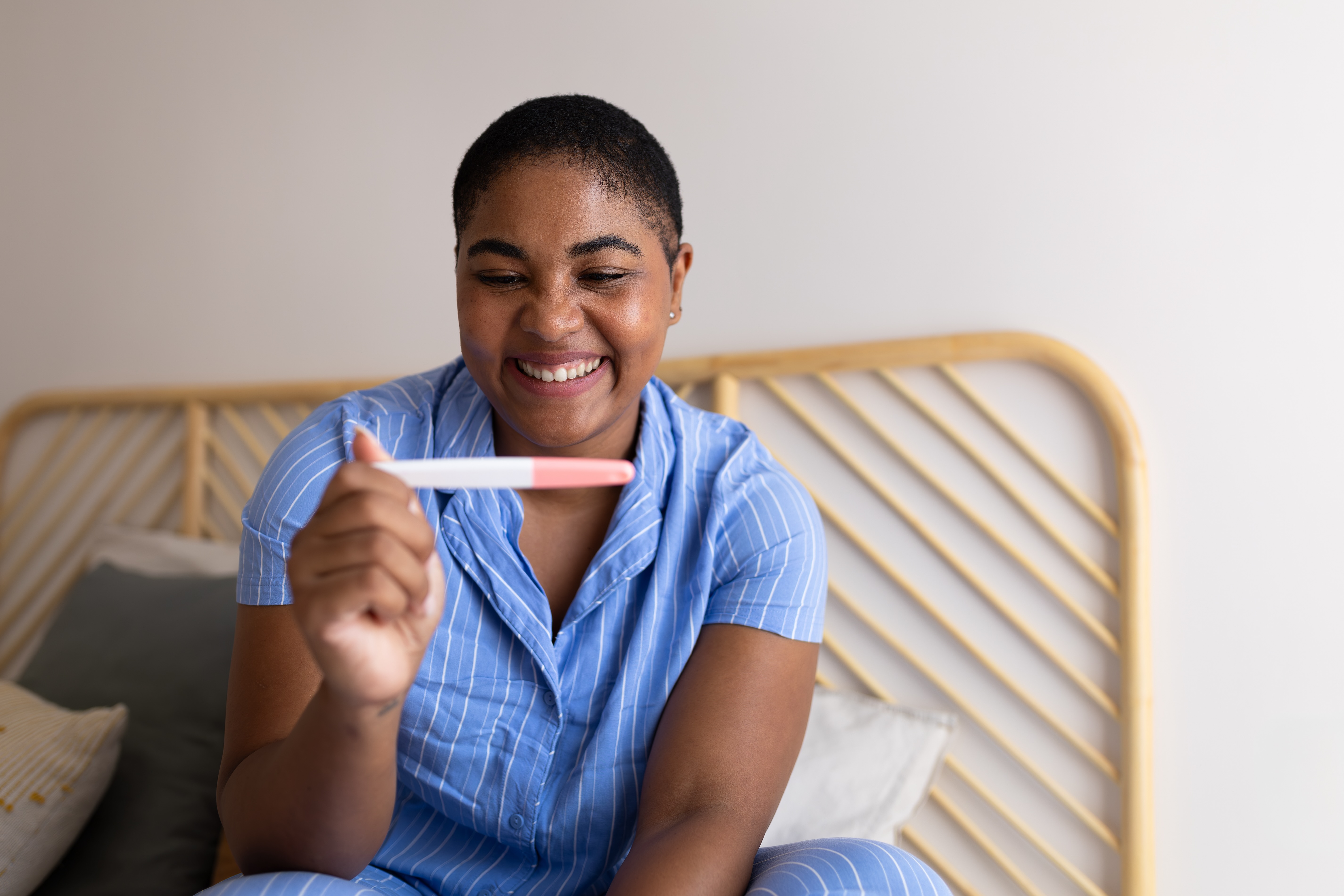
Tips on Getting Pregnant After 35
If you’re in your mid-30s and trying to conceive, you’ve probably heard the term “advanced maternal age” or even the outdated phrase “geriatric age pregnancy.” Neither feels empowering and can be downright disappointing, especially when you’re hopeful and excited about expanding your family.
But here’s the truth: You can get pregnant after 35–millions of women do it every year.
Yes, your fertility naturally changes in your 30s, but you still have far more influence over your reproductive health than you’ve been led to believe. By understanding how your body works and making a few targeted changes, you can boost fertility after 35 naturally, optimize your cycle, and increase your chances of conceiving faster.
This guide breaks down five science-backed ways to improve fertility after 35 and what steps to take if you don’t get pregnant immediately while trying to conceive.
Fertility After 35: What Really Changes?
According to research, fertility and pregnancy outcomes begin to shift in your 30s, but that doesn’t mean your fertility drops off a cliff the day you turn 35.
In reality, the changes are gradual. Many women have healthy pregnancies at 35, 37, 39, and even into their early 40s. Getting pregnant after 35 is increasingly common as more people choose to build families later for various reasons.
Egg Quantity, Egg Quality, and Hormone Changes
Age does affect several aspects of fertility–most notably the quantity and quality of your eggs. Did you know that women are born with all of their unfertilized eggs? That is one of the reasons people used to urge women to get pregnant sooner, but with modern technology, we have more time.
Ageing impacts:
- Egg quantity (ovarian reserve): You are born with all the eggs you’ll ever have, and the number decreases over time.
- Egg quality: Chromosomal changes become more common with age.
- Hormones: Cycles may get shorter, luteal phases may shift, and ovulation might be slightly less predictable.
These changes don’t prevent conception—but they make it more challenging, so understanding them helps you work with your body.
Chances of Getting Pregnant at 35
Many women are curious about the chances of getting pregnant at 35. On average, a healthy 35-year-old has anywhere between a 15–20% chance of conceiving per cycle. And most women 35–39 will conceive naturally within 1–2 years of trying to conceive.
These numbers reflect averages—not your individual story. Your lifestyle, hormones, health history, and timing all play a significant role. While some factors are outside of your control, some adjustments can help. Keep reading for five tips to improve your chances of getting pregnant in your 30s.
#1: Know and Master Your Fertile Window
When people ask how to increase chances of getting pregnant, mastering the fertile window is the #1 place to start – especially after 35. You are actually only fertile for a short window of time each month, called “ovulation.”
And that window is much shorter than you think, regardless of age. Once an egg is released into the fallopian tube, it’s only viable for about 24 hours.
Ovulation After 35
Even if your cycles have always been regular, ovulation can shift slightly with age, with shorter cycles or earlier ovulation. You may even occasionally not ovulate (which is common, as long as it is every once in a while).
That said, you should track ovulation for the best possible outcome, using any combination of the below methods:
- LH ovulation predictor kits (OPKs)
- Cervical mucus tracking (look for clear, stretchy “egg white” mucus)
- Basal body temperature (BBT) to confirm ovulation afterward
- Fertility tracking apps to visualize patterns
Keep a note in your phone or a journal so you can start finding rhythms and timing for your cycle.
Timing Sex for Conception
The fertile window is the 5 days before ovulation, plus the day of ovulation, as sperm can live in the body for up to five days. Aim for sex every 1–2 days during this period so you have a higher chance of sperm availability, and you’re not so stressed with “perfect timing.”
If your goal is to learn what helps you get pregnant faster at 35, this is the most effective place to start.
#2: How to Boost Fertility in Your 30s Naturally With Nutrition and Exercise
Preparing your body for pregnancy with an optimal diet and exercise can increase your chances of getting pregnant (BONUS: Men who are at a normal BMI also have a higher chance of conceiving as well, so get your partner on board!)
Eat a Fertility-Friendly Diet
A nourishing, anti-inflammatory diet, such as the Mediterranean diet, supports hormone balance, egg quality, and healthy ovulation. Focus on:
- Leafy greens
- Berries
- Whole grains
- Beans and lentils
- Fatty fish (low mercury)
- Healthy fats (olive oil, nuts, seeds)
This is especially helpful for women searching for a diet to improve egg quality after 35.
A Healthy Weight Can Support Fertility
Both low and high BMI can affect ovulatory and hormonal function. If you are overweight, losing even 5-10% of your body weight can improve ovulation. If your BMI is too low, it can cause irregular or absent cycles, meaning you’re not regularly ovulating.
The goal is not perfection—it’s supporting hormone balance and your overall health and wellness.
Exercise for Hormone Health
After diet, regular movement is one of the best things you can do for overall health. Exercise helps regulate insulin, reduce inflammation, and improve ovulation. Aim for 30 minutes of moderate exercise most days and strength training two to three times per week.
Avoid excessive endurance workouts, which may disrupt ovulation in some women.
#3: Strengthen Your Hormones With Key Supplements and Preconception Care
Most of your nutrients should come from what you eat, but there’s no harm in adding a supplement to support your goals.
Some helpful options include:
- Prenatal vitamin: Start 3 months before trying to conceive.
- Folic acid or methylated folate: Reduces the risk of neural tube defects.
- Vitamin D: Supports hormone balance and immune function.
- Iron: For women with heavy periods or low ferritin levels.
Just keep in mind that supplements can support egg environment but cannot increase the number of eggs.
Does CoQ10 Help With Fertility After 35?
Coenzyme Q10 (CoQ10) is a chemical compound found in your cells, especially in the heart, kidneys, liver, and pancreas. It’s one of the most commonly researched supplements for age-related fertility.
Studies suggest it may support:
- Mitochondrial function
- Egg energy metabolism via improved mitochondrial function
Many studies around CoQ10 tie its benefits to women undergoing Assisted Reproductive Technology (ART) treatment, such as IVF. However, as more studies emerge, we may find that it’s just as beneficial for natural conception.
Why a Preconception Check-Up Matters
Before trying to conceive, consider meeting with your Square Care Health provider for a pre-conception check-up. They can identify hidden issues affecting fertility, such as:
- Thyroid disorders
- Insulin resistance
- Vitamin deficiencies
- PCOS
- Fibroids or endometriosis
We often think that pregnancy is a simple, easy and natural process, but sometimes you need a little bit of help, regardless of age.
#4: Reduce Hidden Fertility Stressors That Affect Your Body
Genetics plays a huge role in our overall health, including fertility. However, lifestyle is equally important, and you can make some changes to support your fertility goals.
To boost fertility after 35 naturally, reducing certain lifestyle stressors can make a big difference:
- Smoking or vaping (both of which can majorly impact your egg quality and semen quantity and quality)
- Excess alcohol, which can affect ovulation and the luteal phase
- Poor sleep (affects cortisol and hormone regulation)
- High chronic stress (can delay or suppress ovulation)
Even improving one area helps increase fertility and contribute significantly to your overall health.
Environmental & Chemical Disruptors
One emerging area of interest is how the environment impacts fertility. Some research suggests that endocrine disruptors such as BPA, specific cleaning agents, and fragrances may affect hormones.
Make these easy swaps if that’s a concern for you:
- Use glass or stainless steel containers
- Choose fragrance-free products
- Avoid heating plastic
- Wash produce thoroughly
The jury is still out on how much these disruptors impact our hormones and fertility, but this is another avenue to explore in your journey.
Stress and Your Fertile Window
Stress doesn’t cause infertility, but high cortisol can affect ovulation by inhibiting estrogen production and disrupting ovulation. In fact, one study found that women with higher chronic stress markers in their saliva had a 29% reduction in fertility and a higher chance of infertility!
It’s nearly impossible to get rid of stress completely, but you can support your physical, mental and emotional health with:
- Breathwork
- Walks
- Yoga
- Therapy or support groups
- Ample rest
- Taking up a hobby you enjoy
#5: Know When to Seek Medical Support to Improve Your Chances of Conceiving After 35
Conceiving is really a matter of timing for women of all ages, so patience is often the key if you are TTC. However, if you’re 35 or older and have been trying to conceive for six months, you may want to schedule a fertility evaluation.
If you have any other health issues, such as PCOS or irregular periods, seek help sooner. Knowing when to get professional support is one of the most important tips for getting pregnant at 35–40.
[H3] Fertility Testing for Women Over 35
If you’ve opted to seek out a fertility specialist, they will likely perform a fertility evaluation. The evaluation looks at your personal and family medical history, has a physical examination component, and may include any number of fertility tests, such as:
- Ovarian reserve testing
- Antral follicle count via ultrasound
- Progesterone testing to confirm ovulation
- Semen analysis for your partner
The earlier you gather data, the more empowered you will be and the better your provider can help support you.
Your Fertility Treatment Options
If you need help conceiving, there are many options available. Depending on age and health, your doctor may recommend:
- Ovulation induction
- IUI (Intrauterine insemination)
- IVF
- Genetic screening of embryos (PGT-A)
- Donor eggs
These interventions often help women who want to know how to improve their chances of conceiving at 35–40 when natural methods aren’t enough.
The Reality of Pregnancy After 35
There’s a lot of misinformation and fear about the risks associated with pregnancy in the late 30s and beyond. While a lot of it is based on outdated science and old wives’ tales, you should be aware of some risks.
Common Risks (and How to Reduce Them)
Women over 35 have a higher risk of:
- Gestational diabetes
- Hypertension
- Chromosomal abnormalities
- Miscarriage and stillbirth
But regular prenatal care, healthy habits, and early monitoring significantly reduce risks.
Final Thoughts: Yes — You Can Get Pregnant After 35
All of the tips and tricks about getting pregnant after 35 can feel overwhelming but remember: age is just one factor. Your daily choices, from how you eat to how you track ovulation, have a meaningful impact on your fertility.
Many women who want to conceive in their 30s will do so, and the vast majority of women age 35+ who carry a pregnancy to term will deliver a healthy baby. Nutrition, tracking your cycle, and working with an experienced healthcare professional are just a few steps you can take to support your journey.
Remember, you’re not alone in this journey—your Square Care Health provider is here to support you every step of the way.